It is a system built on hundreds of small, manual decisions made by reservation managers, baristas and servers who handle the pressure behind the scenes before the guests even arrive.
These individuals are the backbone of any city’s food scene. They are the ones who manage the logistics, the temperaments and the technicalities that allow a restaurant to function. This is a look at the people who keep that system moving and are essentially the engine of the industry.
Noon Swar
Receptionist, Bungalo34
Noon views her position as the anchor for a guest’s entire visit, serving as both the first and final point of contact. While the role is highly visible, the work behind the podium is a constant exercise in multitasking, balancing a stream of phone reservations and emails while managing a physical queue of walk-ins.
On peak nights, this often involves the logistical challenge of “creating a table out of nowhere” when guests stay past their allotted time, all while ensuring no single waiter’s section becomes overloaded. Noon’s approach is guided by an immediate assessment of a guest’s energy upon arrival. By identifying whether someone is there to celebrate or perhaps looks tired and in a rush, she can adapt her welcome to fit their specific needs.
“My role isn’t just welcoming guests with a smile,” she notes, “it’s about making people feel cared for”.
When friction occurs, whether through delays or overbookings, she focuses on active listening to ensure the guest feels heard before she presents a solution. For her, the most rewarding part of the high-pressure environment is successfully coordinating a busy floor where every guest is satisfied with their arrangement.
Vishnu Suresh
Assistant Restaurant Manager, CQ French Brasserie
Vishnu Suresh operates at the centre of the dining room at CQ French Brasserie, a role he has built toward since starting as a runner in 2016. He focuses on maintaining the consistency and quality that define the restaurant’s name, balancing the technical sequence of service with the unpredictable nature of guest temperaments.
He places strong emphasis on timing. From greeting guests to clearing tables, each step needs to be precise for the service to flow smoothly.
“When we’re consistent in our sequence, everything works better,” he explains. A significant portion of Vishnu’s shift is spent navigating difficult situations where guests may not be in a receptive state or open to cooperation.
“Guests aren’t always in a receptive state,” he says, referring to the challenge of handling difficult interactions. Managing these moments calmly is a core part of the job.”
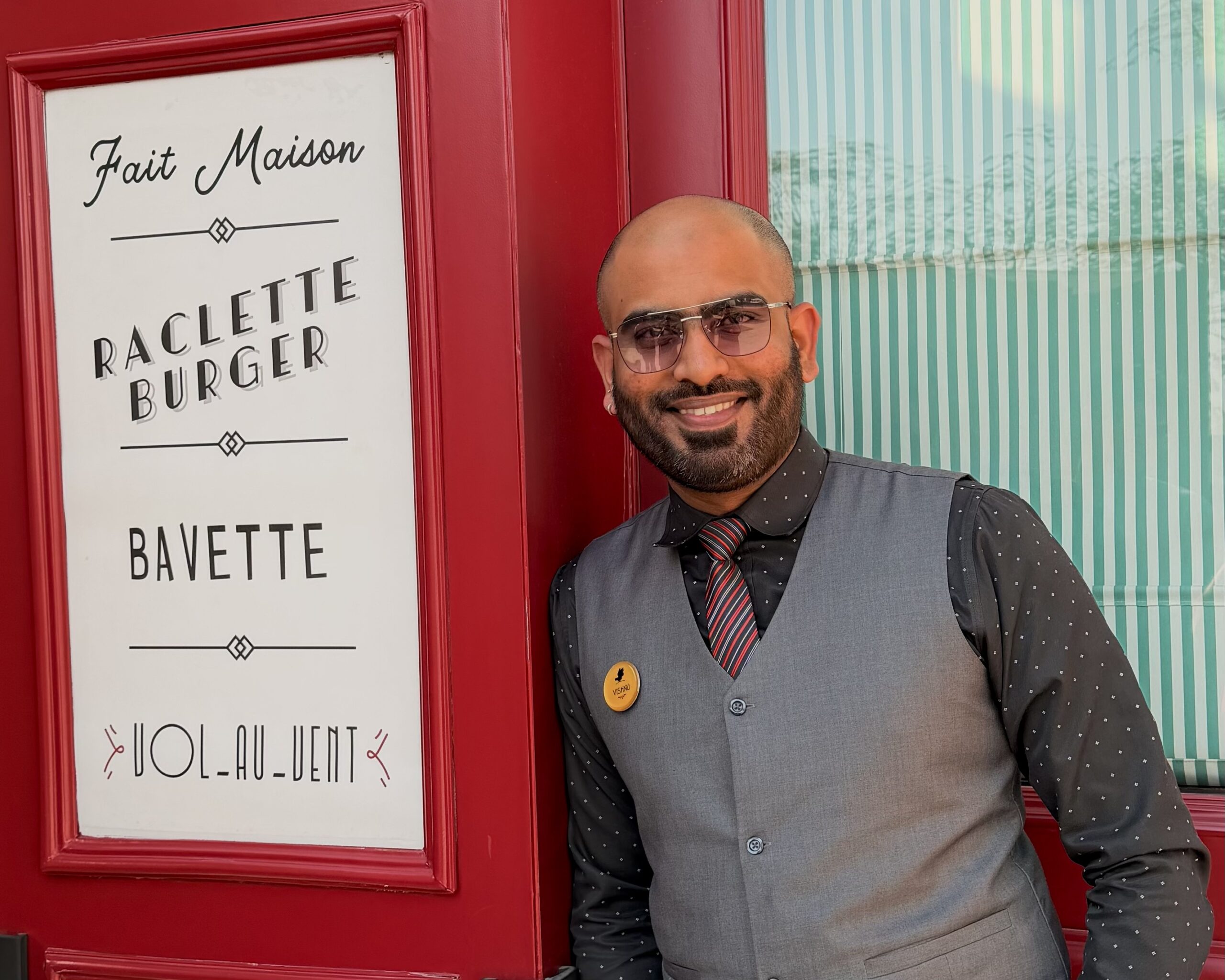
Vishnu prioritises proactive feedback, visiting tables after the first few bites to catch any issues before a meal is finished. He also acts as a bridge between the front-of-house and the kitchen, taking specific feedback and occasionally physical samples from a plate directly to the head chef to assess and adjust preparation. For Vishnu, success is measured by the ability to turn a first-time visitor into a regular through listening and acting on those small, individual details.
Sheila Boateng
Waitress, Brunch & Cake, Jumeirah Islands
Sheila Boateng works at Brunch & Cake as a front-line host and waitress, a role she describes as the bridge that connects the kitchen and bar. Having been with the brand for over two years, her focus is on making guests feel at home by managing the flow of the floor. During a typical weekend brunch, she handles between six and eight tables simultaneously, keeping a mental map of where each guest stands in their meal, from tracking drink orders to anticipating who needs a quick check-in.
Sheila’s approach is defined by her ability to read the room and adjust her interaction to the specific needs of a table. Families with children are often given a faster, more playful service, while business guests are treated to a more formal experience. She takes her time with newcomers, explaining the menu in detail to ensure every guest feels attended to. This attention to detail extends to the visual presentation of every dish, as she personally checks each plate before it is served to ensure it reflects the quality the restaurant stands for.
Sheila relies on staying calm and communicating timing clearly to manage expectations under pressure.
For her, the most fulfilling moments are when she can anticipate a regular’s order before they even communicate it.
“You’re remembering everything,” she says. The role is as much about organisation as it is about interaction. Each table requires a slightly different approach, adjusted in real time.”
At the same time, the job extends beyond service. “It’s about making people feel at home,” she explains, recalling moments where a simple interaction has changed a guest’s entire experience.
Ryan Banawis
Bartender, Flamingo Room Abu Dhabi
Ryan Banawis operates as a bartender at Flamingo Room Abu Dhabi, with an equal focus on the technical craft of a drink and the guest experience. Having been part of the opening team, he views his role as a representation of the brand through hospitality and consistency. For Ryan, the manual act of making a drink is only half of the job; the other half is a constant exercise in reading people, identifying when a guest needs space, when they want to talk, or when they are simply having a rough night.
During a high-volume shift, he maintains consistency by focusing on the small details that can fundamentally alter a cocktail, such as the exact timing of a shake. He handles these moments by prioritising tickets and staying calm, operating under the mindset that there is always a “calm after the storm”.
Staying calm is key. “You just breathe, prioritise, and keep going,” he explains. Even in high-volume moments, the goal is to keep the experience seamless for the guests.
Ryan finds the most value in his work when he is trusted by management to handle a busy bar independently. Beyond the mechanics of service, he values the personal connections formed at the bar, often moving from the role of a bartender to a friend and listener for his regulars. For him, the most rewarding feedback is a guest’s immediate reaction to a well-made drink, a moment that validates the physical labour and focus required by the role.
Charles Kibaale
Senior Barista, BRIX Café
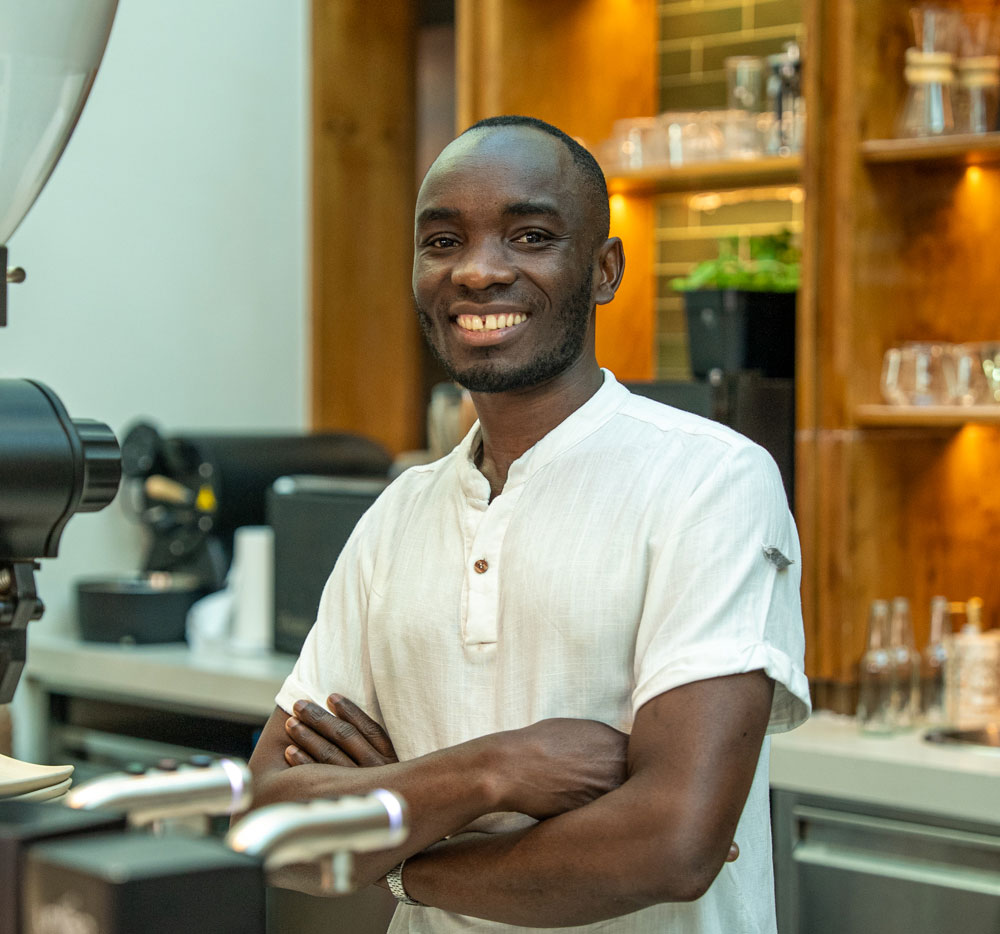
As a senior barista, Charles’s shift starts with a mandatory checklist: turning on the machines and carefully calibrating the espresso grinders to ensure the flavour profile is correct.
For Charles, staying consistent is the toughest part of his work, especially when he’s juggling a long line of orders. Every cup has to be served at just the right temperature, and he pays special attention to the milk’s texture. He thinks it’s a detail that many customers might overlook, but it really makes a difference in the overall quality of the coffee.
In addition to his technical skills, Charles understands that his role carries significant social significance. He’s been at the café long enough to know the regulars by name and anticipate what they usually order. For him, that connection adds meaning to the high-pressure environment.
While the basics of the coffee stay the same, he takes the time to adjust each cup to suit the individual, tweaking temperatures or styles based on what someone likes.
It’s all about making each experience personal and special.
Watheq Elchohef
Bar Manager, BRIX Café
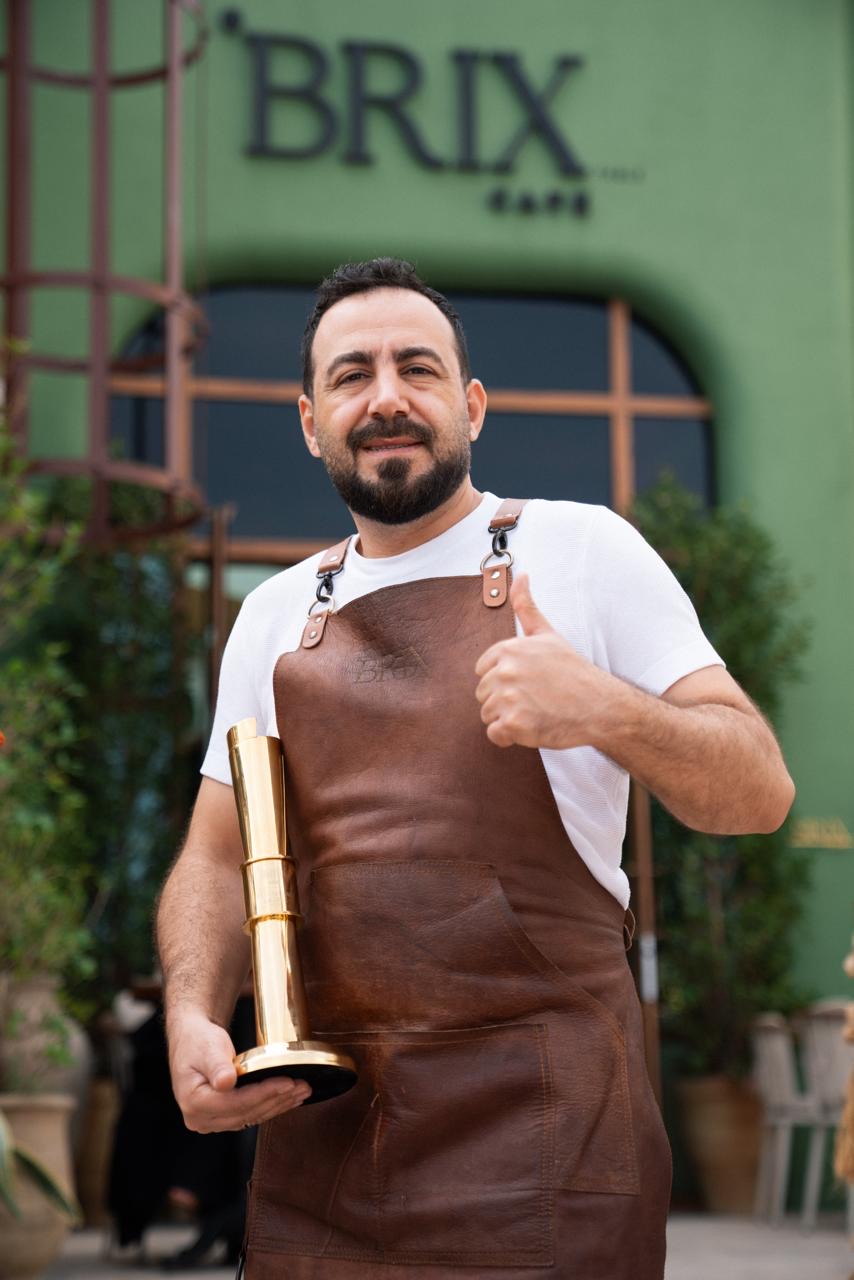
Watheq Elchohef, the Bar Manager at BRIX Café, views himself as a “guardian of the guest experience,” drawing on over 15 years of industry knowledge. His day begins with mental preparation and a rigorous quality check of the equipment, under the philosophy that his mindset directly affects the entire team. For him, the goal is to honour the entire journey of the coffee, from the farm to the final cup, ensuring that the 150th drink of the day receives the same care as the first.
His role shifts between active leadership and observation, stepping in to support the team while allowing them the space to perform independently. He believes the true pressure of the industry is not the volume of customers, but the challenge of maintaining balance under that pressure.
Watheq approaches coffee as a dialogue rather than a fixed recipe, tailoring the experience to the guest’s familiarity with speciality blends.
He recalls an instance in which he converted a customer who was used to commercial coffee into someone who enjoyed speciality blends by sharing the story behind the beans, eventually turning a sceptical visitor into a regular.
Mark Anthony Sawalli
Commis Chef, Avli
As a commis chef, Mark’s role centres on preparation. Mise en place, ingredient handling, and supporting senior chefs form the foundation of his day.
The work is repetitive but essential. Each task contributes to the final dish, even if it’s not visible to the guest. “You’re making sure everything flows and nothing gets missed,” he says.
He is particularly focused on his knife work and ensures every vegetable is cut to exact size and shape, even if that detail goes unnoticed by the diner.
“You’re making sure the station is prepped, every order flows smoothly, and nothing gets missed,” he explains, noting that these manual tasks are the backbone of a successful service.
For him, the most rewarding part of the job is the moment of completion, seeing a dish come together from start to finish and knowing that the guest is satisfied with the food he helped prepare.
Lowieland Ilagan
Demi Chef de Partie, Bungalo34
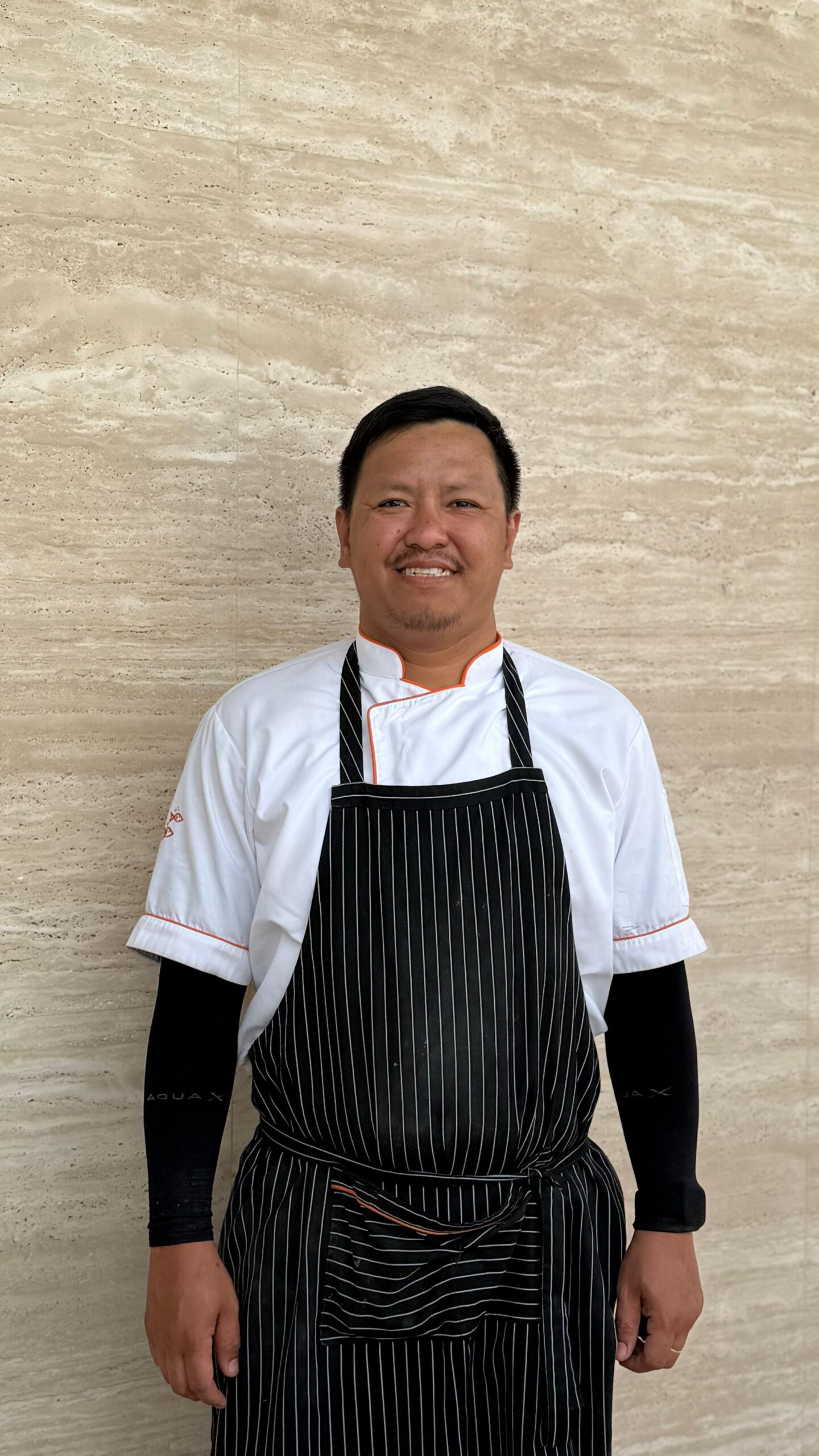
Lowieland’s role sits between execution and responsibility. As a demi chef de partie, he is accountable for his section during service, from preparation to plating. The shift from commis to his current role has brought a greater focus on consistency and communication. “If you lose focus, even small mistakes can affect the whole service,” he explains.
He is now accountable for the entirety of his section, specifically the pizza station, ensuring that mise en place is complete, quality is maintained and every dish meets the standard before it leaves the pass. The most demanding aspect of Lowieland’s shift is maintaining consistency while under pressure to meet service timings. He notes that if focus is lost, even minor lapses in communication or small mistakes can quickly disrupt the entire kitchen’s flow. To prevent surprises, his daily routine involves a rigorous check of his station’s equipment, from the stoves to the ovens, ensuring everything is functioning smoothly.
Lowieland finds confidence in his ability to handle these high-pressure moments through organisation and clear communication with his team. He feels most valued when given autonomy over his section, a trust that is validated when guests personally take the time to compliment the food’s consistency.
Manikandan Balakrishnan
Sous Chef, Amaya, Dubai Mall
As the sous chef at Amaya, Manikandan Balakrishnan acts as the primary link between the head chef’s creative vision and the mechanical execution of the kitchen. With over two years at the restaurant, his role is centred on the hands-on management of daily operations, including inventory control and direct supervision of staff.
His shift begins with a focus on organisation, reviewing the day’s reservations, checking stock levels and ensuring every team member is clear on their specific tasks before service commences. The most intense pressure Manikandan faces occurs behind the scenes during peak hours, where he must coordinate multiple orders while maintaining strict timing and consistency. He is particularly focused on plating and personally tastes each dish to ensure it meets the required standard before it leaves the kitchen.
When mistakes occur mid-service, his priority is a rapid, calm fix to prevent disruption to the overall flow, followed by a post-service review to ensure the error is not repeated.
“The pressure is managing everything at once without affecting service,” he says. During peak hours, that pressure intensifies, requiring constant awareness and quick decision-making.
Ayoub Bourennane
Server/Shift Leader, Amaya Dubai Mall
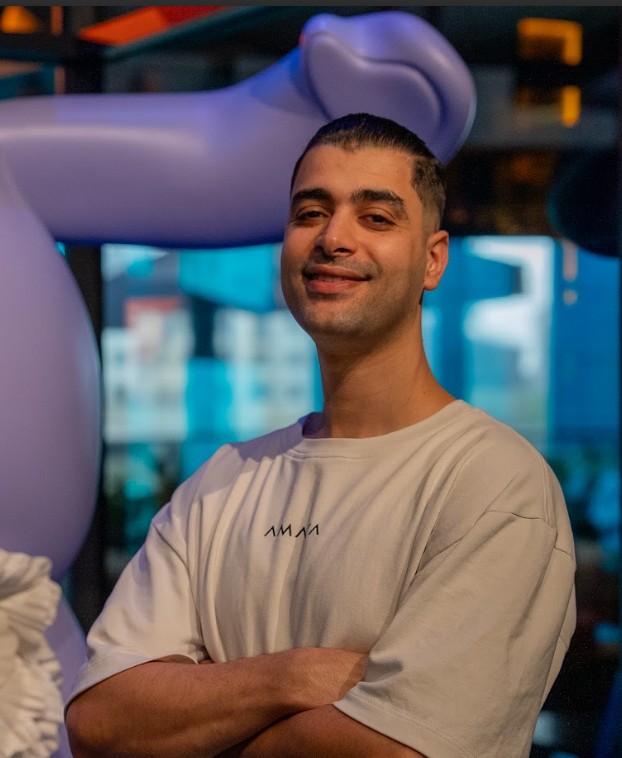
Ayoub Bourennane, a server and shift leader at Amaya, views his role as a nuanced reading of a guest’s energy. Over nearly four years at the restaurant, he has developed a style grounded in composure, particularly when managing between four and six tables during a busy shift. His preparation involves a mental “lock-in” period where he reviews the menu and daily updates to ensure he is sharp from the start of service.
Ayoub is particularly mindful of timing, the subtle skill of knowing exactly when to approach a table to avoid being intrusive or neglectful. He adapts his interaction style to match the energy of each guest, providing conversation for those who want it and quick, efficient service for those who do not.
When handling difficult situations, such as an upset guest, he focuses on listening and staying calm to ensure the person feels heard before resolving the issue. For Ayoub, the value of the work lies in these personal shifts, such as when a guest’s mood visibly improves over the course of the service due to the attention they receive.
Maria Mihaylova
Reservations & Events Manager, SANA Restaurant
Maria Mihaylova serves as the restaurant’s first point of contact, a role she views as being more about people than the actual logistics of a booking. Her day starts with a technical sweep of VIP notes and seating preferences, ensuring the team is aligned before the doors open to guests.
Once service starts, the work becomes a matter of managing flow and expectations in real-time. The most difficult part of her job is often the most invisible, handling the stress of a fully booked floor or a last-minute VIP request without letting that pressure reach the guest.
She is particularly focused on guest notes, the small, specific details about where someone likes to sit or what they prefer to drink. It is this level of recognition that moves a guest from being just another cover to a returning regular.
“Experience taught me that honesty and speed matter more than perfection,”
she says, noting that the job is less about avoiding mistakes and more about the ability to fix them quickly while staying calm. ”My favourite part of the job is building relationships. I’ve always loved that in this job. When guests come back and you remember them, it becomes something personal.”
An evening where everything is frantic behind the scenes but appears effortless to the diner is the ultimate mark of success for Maria.