In November 1999, Chef Thomas Keller released The French Laundry Cookbook, featuring 150 recipes in classic Keller style, exacting and obsessively refined. It includes the perfect way to truss a chicken, poaching eggs, filleting fish and notably, a section on The Importance of Staff Meal bringing this otherwise private (and exclusive, one could argue) experience to the forefront.
The staff meal, also known as the family meal, is served before business hours for the entire team or “family.” Chefs take turns preparing the meals using leftover ingredients with complete creative freedom, in contrast to service.
“It’s not about impressing anyone, but resetting, refueling. During service, everything is about precision and control. Family meal is the opposite,”
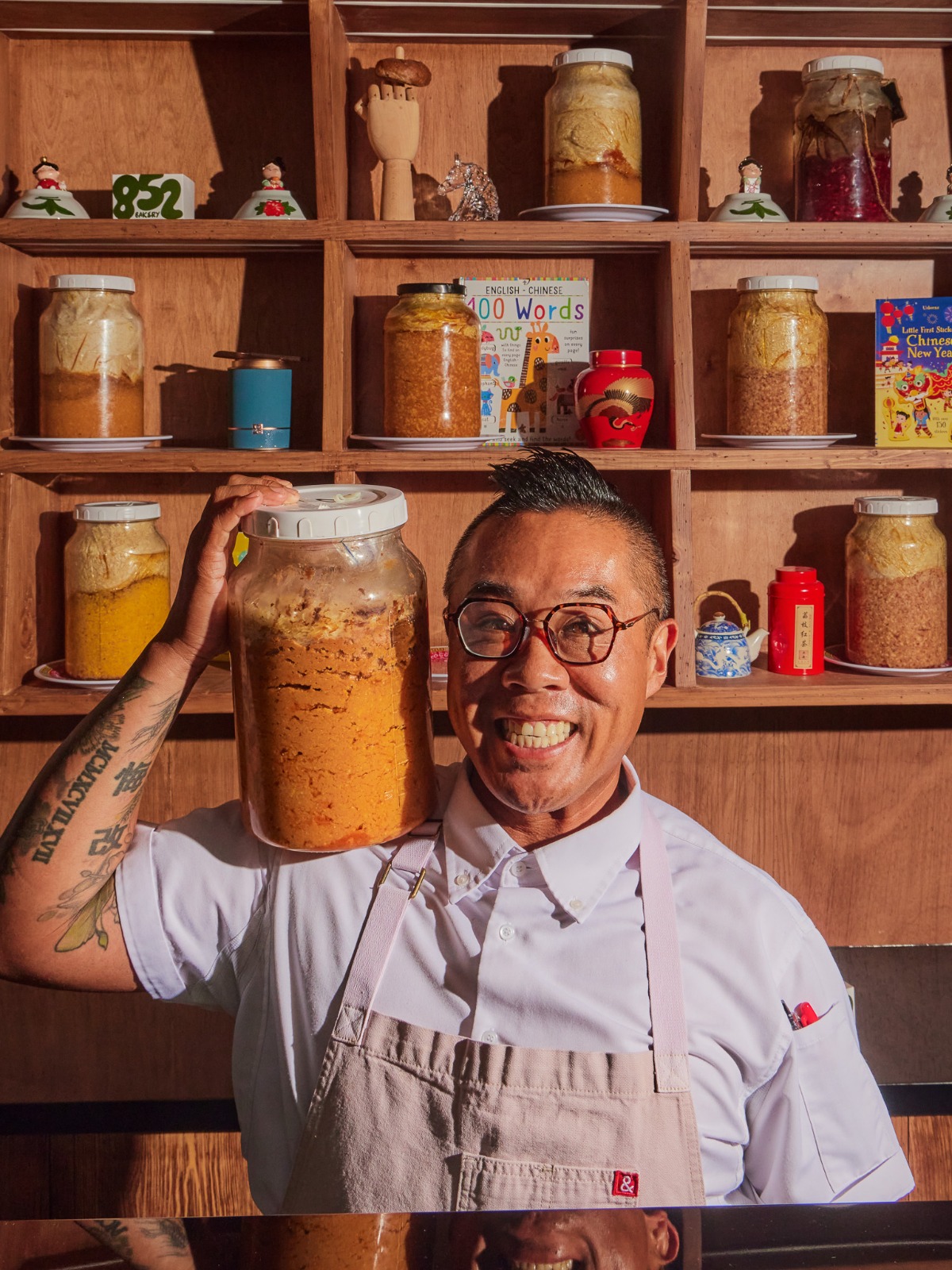
says Chef Kelvin Cheung, Chef and Partner at Jun’s, 852 Bakery, Little Jun’s, and Jooksing.
So much of restaurant life unfolds in rhythmic patterns and without the cloying corporate HR affectation, the team really does function like a family. Eating together is key to the cadence. It is pragmatic, for obvious reasons. Shifts are 8+ hours long, physically demanding and fueling up before is necessary. There are important psychosocial benefits, with research on workplace dynamics in the post-pandemic world indicating that meals shared in informal settings help soften hierarchy and build trust.
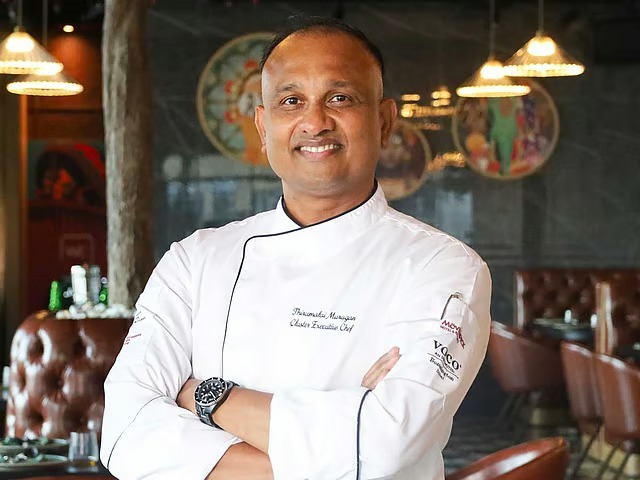
Chef Thirumalai Murugan, Cluster Executive Chef, Mövenpick Hotel JLT & Riva Beach Club also credits the practice of family meals with helping chefs flex their creative muscle. “Staff meals create a relaxed environment where chefs experiment and exchange ideas,” he says. With a team drawn from all across India, family meals become a meeting point for regional influences. Sometimes, they can influence the main menu, though that may not always be intentional.
A family meal favorite for the team at Jun’s is the Filipino cuisine staple, Chicken Adobo. The dish was first introduced on the business lunch menu and then dinner, eventually becoming one of their best sellers. It is prepared with garlic, soy sauce, vinegar and a handful of other ingredients that are commonly available across restaurant kitchens. It points to a broader truth about family meals: they are rarely elaborate. When chefs cook for themselves (and other chefs), the food tends to be simple, instinctive and rooted in familiarity. An iconic scene in The Bear shows Chef Sydney preparing an omelet, a dish so pared back it leaves little room to hide. It perfectly captures the paradox of kitchen life – simple meals are the clearest measure of skill and taste.
In an industry that is often criticised for its contribution to food wastage, these meals serve a wider, more practical purpose.
They utilize ingredients on hand, repurpose excess and ensure little goes to waste.
As is the case so often with food, it is largely reflective of culture and roots, perhaps even leaving room for sentimentality. Dubai is home to over 200 nationalities and approximately 92% of its population are expatriates. Family meals can be seen as a microcosm of that. “You can almost map the team through a family meal. One day it leans Indian, the next it’s Filipino. It reflects who’s cooking, who’s missing home, who had time, who didn’t,” adds Chef Kelvin.
A decade after Chef Thomas helped generate intrigue around the concept of family meals, several other cookbooks have been written on this subject alone. Ferran Adria of El Buli wrote The Family Meal: Home Cooking with Ferran Adria which features 31 three-course meals making “clever” use of minimal ingredients in dishes such as Osso Buco and Mackerel Stew. David Waltuck of the critically acclaimed Chanterelle wrote Staff Meals from Chanterelle that includes his Famous Fried Chicken with Creamed Spinach and Herbed Biscuits.
For all the attention it has since received, the idea remains unchanged: the most meaningful meal in a restaurant is often the one no one ever sees.