Today, that idea is quietly changing. The new Arab culinary voice in Dubai is not trying to fit into one definition, it is becoming something more open, more personal, and more confident in its own direction.
For some chefs, this shift means stepping beyond what is expected and creating something that reflects a broader identity.
For others, it means holding on to the emotional core of food and protecting what gives it meaning. What is emerging is not one voice, but many shaped by different experiences and ways of thinking.
Beyond Borders, Beyond Expectations
For Hattem Mattar, the idea of being defined by a single cuisine no longer makes sense. A few years ago, he believes, being an Arab chef came with certain assumptions. Today, those assumptions are slowly fading. “The door is wide open,” he says. His work in barbecue may not be what people expect from a chef from the region, but for him, it feels natural. It reflects the way he has lived, moving between cultures and building an identity that is not limited to one place.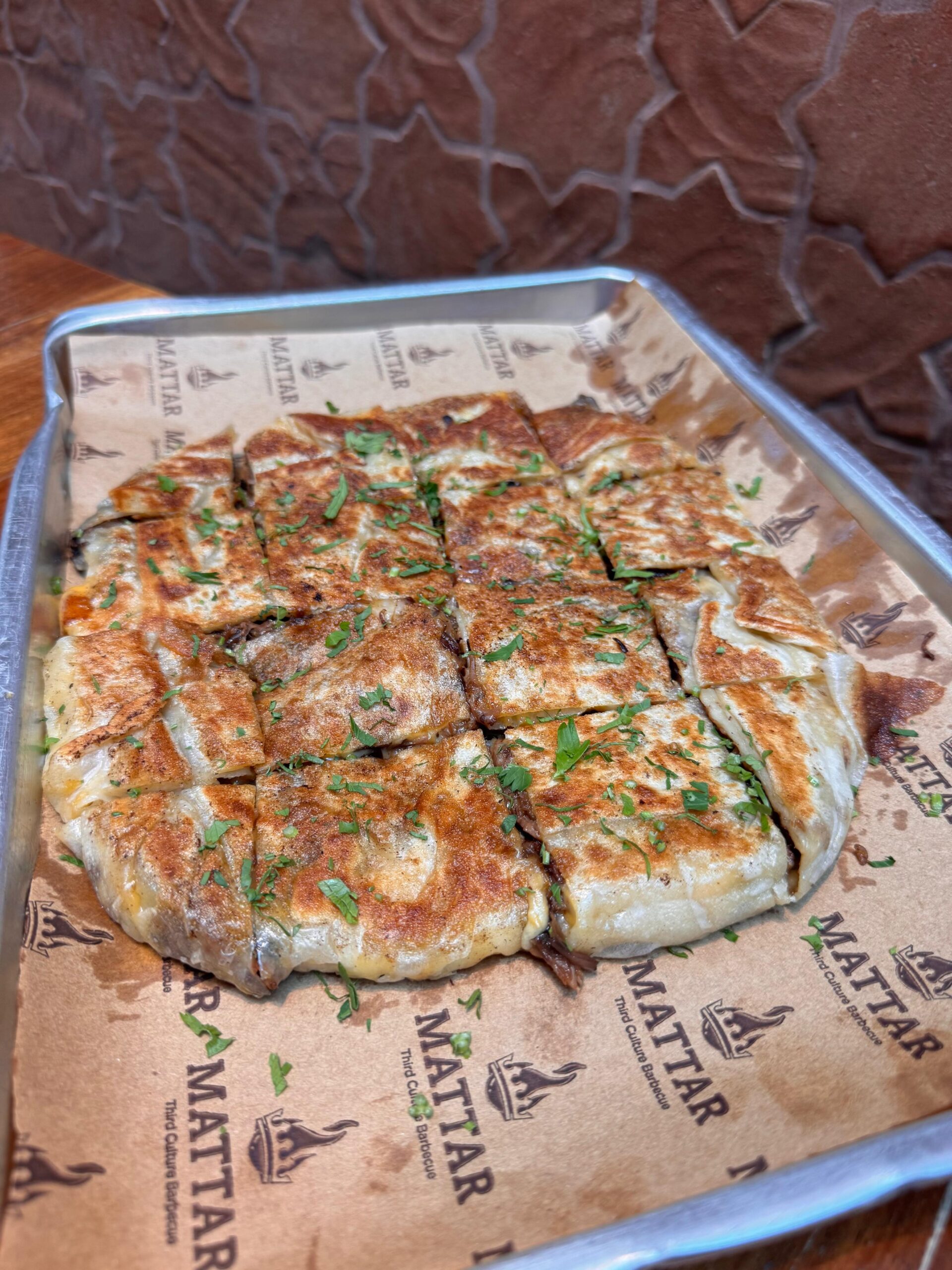
He describes his food as a combination of everything that has shaped him. “Our barbecue has roots in Texas, spices from Egypt, and dishes from the UAE and the region. All of those things represent me.” In a city like Dubai, where cultures overlap and influence each other every day, this way of thinking is becoming more common. Chefs are no longer only following established paths, they are creating their own.
“Chefs in the UAE are more willing to create new categories instead of following existing ones,” he explains.
“The country brings together people, ingredients, and ideas in a way that makes these new concepts possible.”
Even within barbecue, a craft often seen as casual, he challenges the way it is perceived. Behind its simplicity is a process that requires patience, discipline, and constant learning. “There is no craft more obsessive than barbecue,” he says. “You do not learn it in a classroom. You learn it by doing, by experience. It welcomes everyone, but it is also one of the most demanding forms of cooking.” For him, the future is not about choosing between tradition and innovation, but about mastering both. “We need to master our own kitchens and rules, and then break them.” It is this mindset that defines a new generation of chefs who are no longer asking for space, but creating it.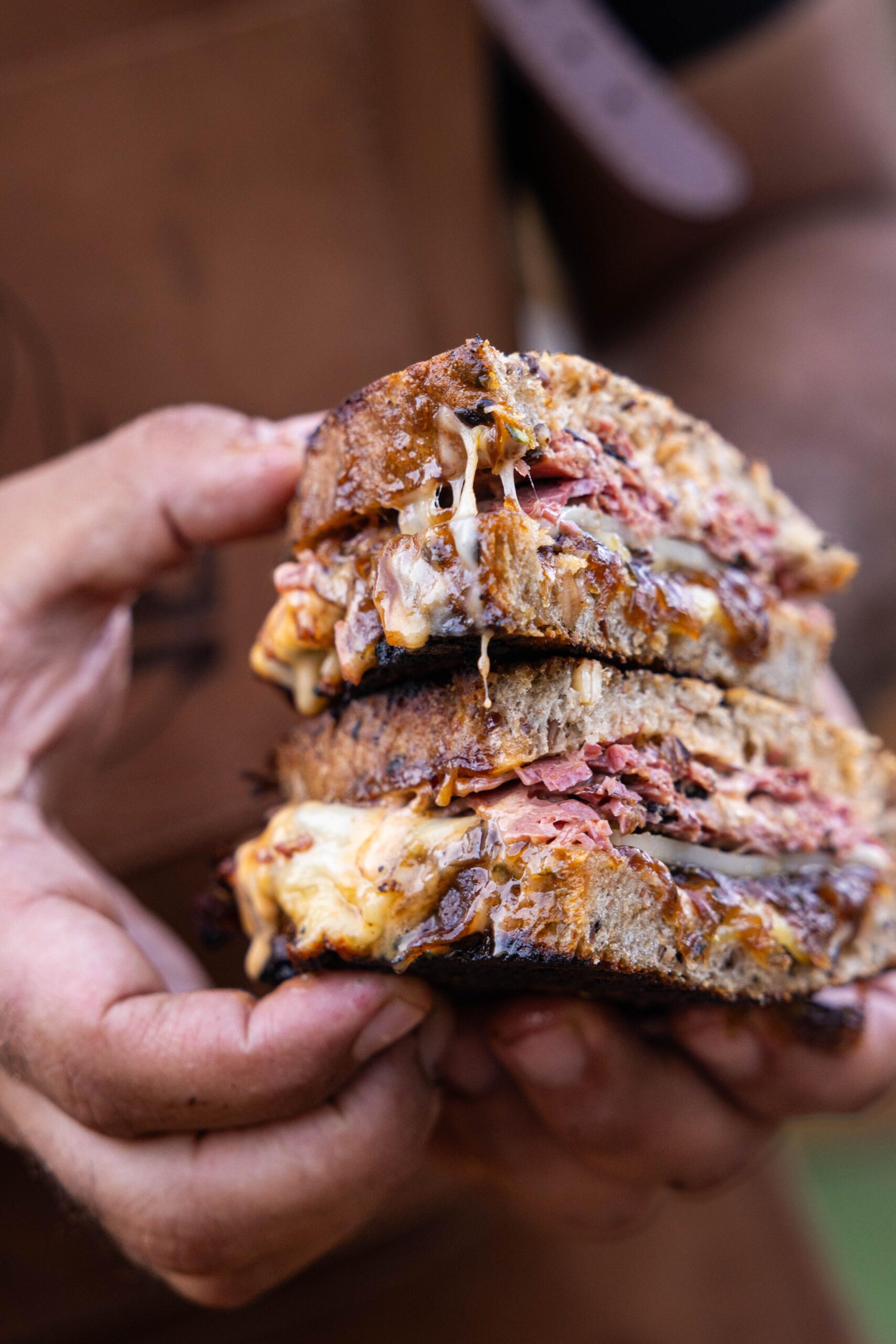
Protecting Meaning in a Fast-Moving City
At the same time, there are chefs who are moving in a different direction, not by expanding outward, but by going deeper into what already exists. For Salam Dakkak, the focus is not on redefining cuisine, but on preserving something more personal. In a city that moves quickly and constantly introduces new concepts, her approach is to stay grounded. “I do not think about protecting a concept,” she says. “I think about protecting a feeling.” Her restaurant was never built to follow trends or fit into a category. It was created from memory, from lived experiences that cannot be replaced by strategy.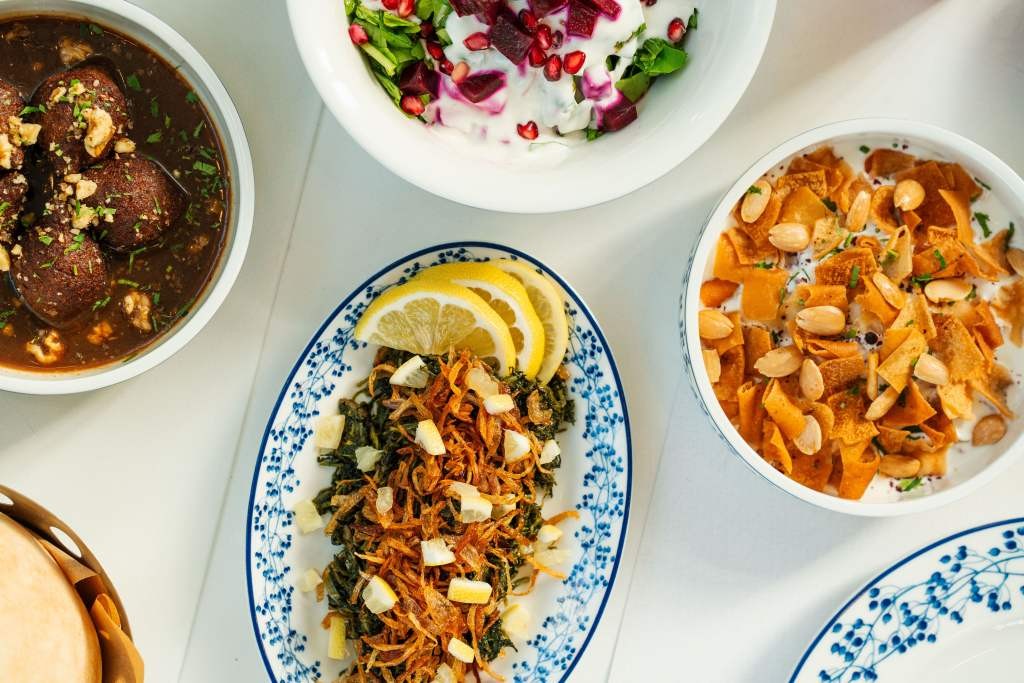
“As long as the intention stays honest, and the food comes from memory rather than strategy, it does not become performative,” she explains.
For her, authenticity is something people recognise without needing to be told. It comes through naturally when the source is real. There is always a balance between preserving tradition and presenting it to a wider audience, but she does not believe that the food itself needs to change. Instead, she focuses on sharing the story behind it. “When people understand where a dish comes from and what it means, they connect with it naturally.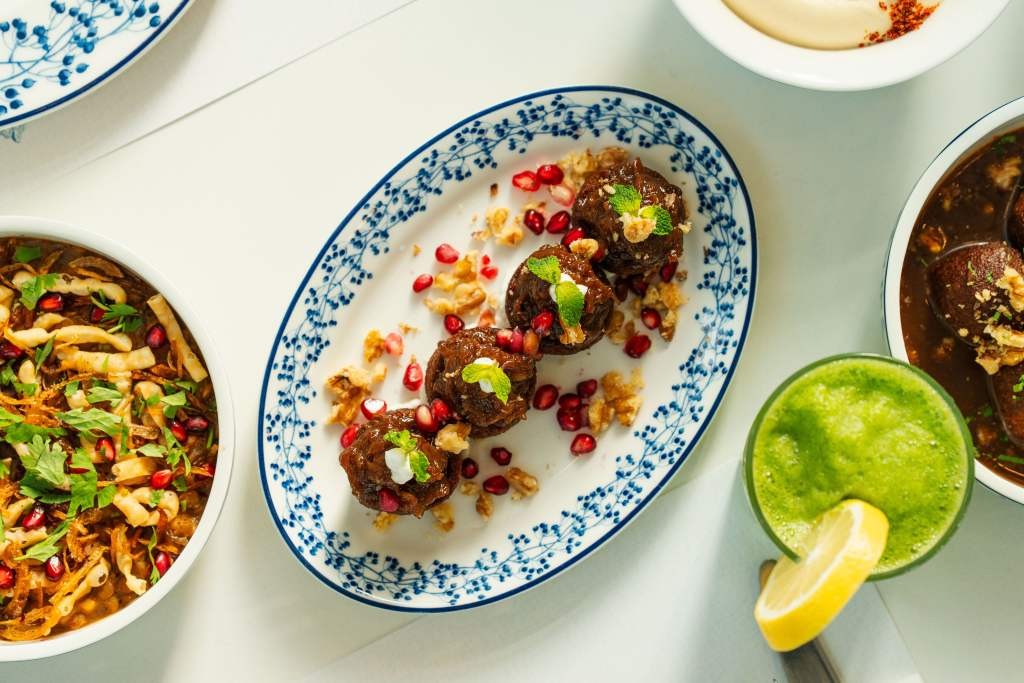
Her approach also challenges the idea that everything needs to evolve. Some dishes she believes should remain exactly as they are. “Some things are not meant to be reinvented because they carry too much meaning.” In a dining scene that often values novelty, this decision becomes a statement in itself. It reminds people that food is not only about innovation, but also about care, memory, and connection. Even as home-style cooking moves into restaurant spaces, she keeps its essence intact. “It should still feel like something made for you, not just served to you,” she says. The goal is not to impress, but to make people feel at home, even if they have never experienced these dishes before.
A Voice That Continues to Evolve
At first, these two perspectives may seem far apart. One is about expansion, creating new categories and blending influences. The other is about preservation, holding on to what gives food its depth. But in reality, they are connected by the same foundation. Both are rooted in honesty. For Hattem Mattar, honesty comes from expressing a layered identity without limits. For Salam Dakkak, it comes from staying true to memory and emotion. Both reject the idea of cooking for expectations. Both focus on something more personal and more real.
This is what defines the new Arab culinary voice in Dubai today. It is not about fitting into a single idea of what Arab cuisine should be. It is not about proving a point or following a trend, and about understanding where you come from, and choosing how to express it in your own way.
As Dubai continues to grow as a global food destination, this diversity of thought will shape what comes next.
Some chefs will continue to push boundaries and create entirely new directions, however, others will protect the stories and traditions that give food its meaning, and many will find their own balance between the two.
In the end, the new Arab culinary voice is not one voice at all. It is a collection of perspectives, each honest in its own way, each contributing to a bigger story that is still being written.