Every table in Dubai carries both the ambition and the instinct to impress. Some days, it dazzles you with a record-breaking gold-dusted, caviar-topped spectacle crafted by a Michelin-starred chef. On others, it wins you over with a humble shawarma, wrapped in haste and heart on a street corner. This is a city of contrasts and surprises, nowhere more evident than in its food.
Home to over 200 nationalities, Dubai lets you sample a different cuisine every day of the year — and still leaves you wondering what’s next.
In this potluck of cultures, one question inevitably surfaces: where does the heart of a Dubai foodie truly lie? What is quintessential Dubai cuisine?
Some will say it begins and ends with Karak. Others swear by Oman Chips. Few would argue against a steaming plate of biryani. And it wouldn’t be entirely surprising if, in the end, ‘Dubai Chocolate’ quietly claims the crown. It’s nearly impossible, then, to define a single “Dubai table.” But perhaps that’s the point. What makes these plates memorable is not just their diversity but their layering—global influences meeting local ingredients, age-old techniques shaped by practiced hands, and dishes that often mirror the spirit of the people behind them. We asked around for what truly represents a Dubai eat and returned satisfied, curious—and, of course, hungry for the next meal.
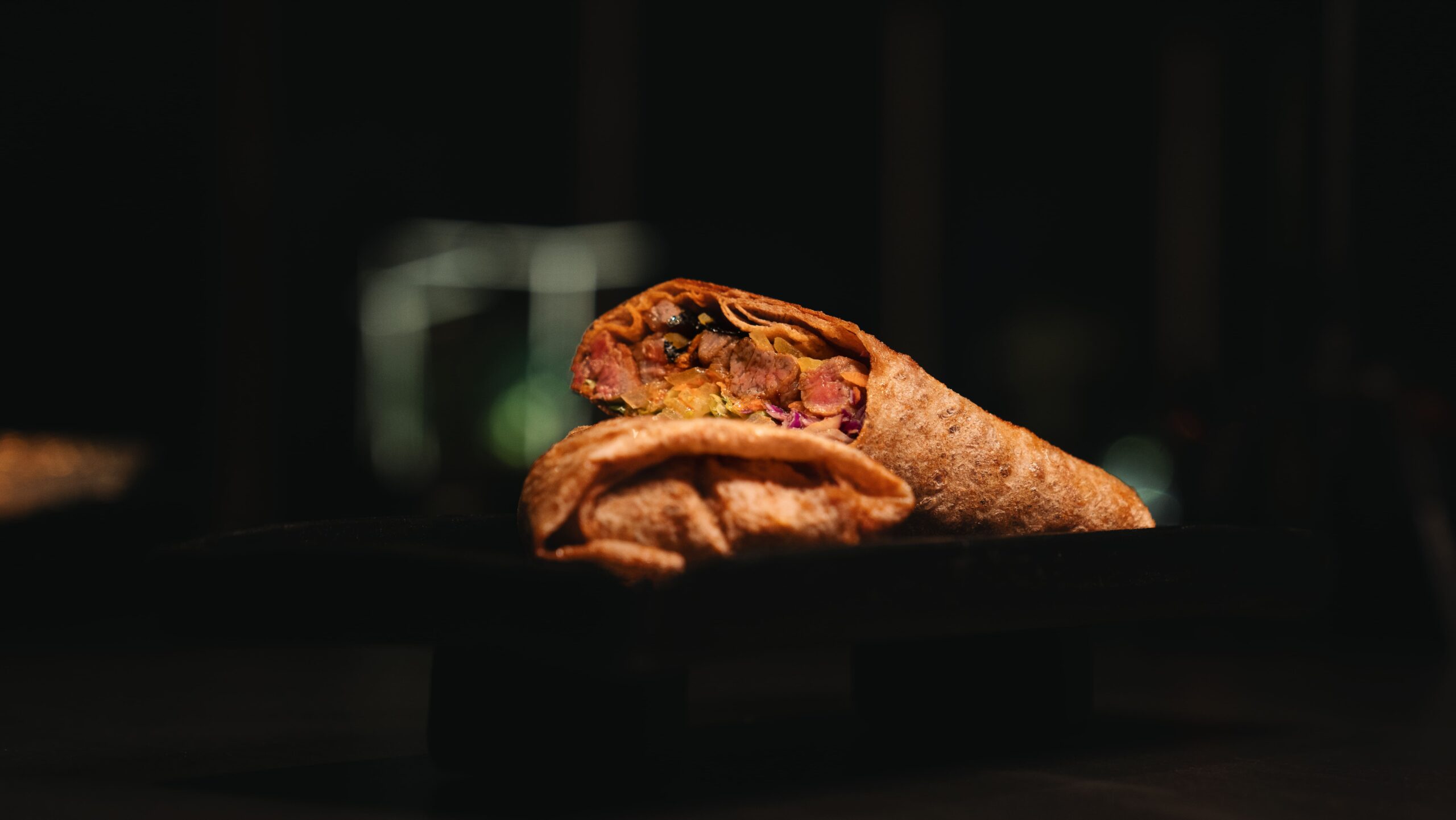
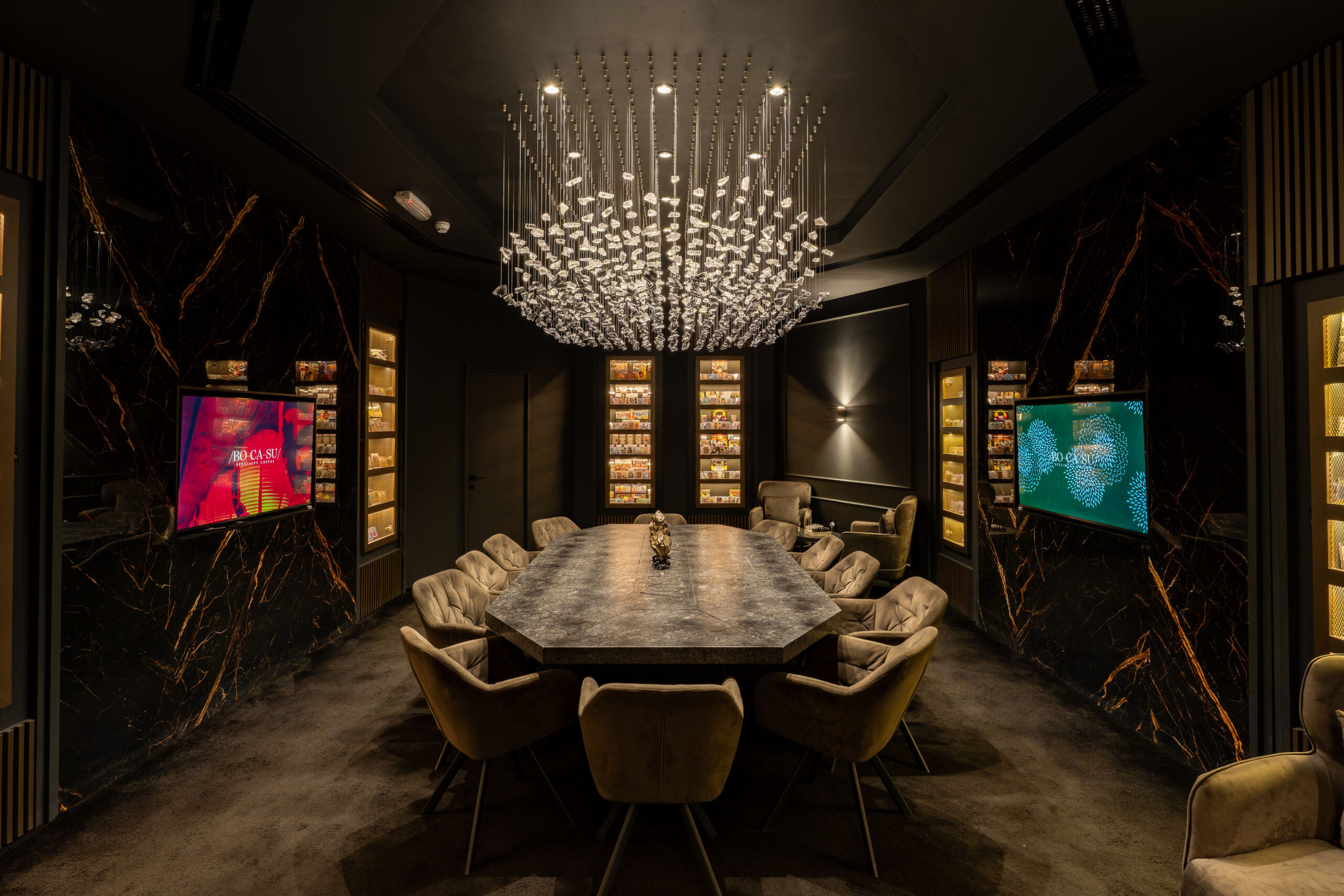
The Wagyu Filet Mignon Jawarma: Bocasu, a Japanese dining concept, offers the Jawarma—a dish that blends Japanese flavors with one of the UAE’s most iconic street-food formats: shawarma. It follows the traditional layered construction of protein, accompaniments, sauces, and fresh vegetables in a wrap, reinterpreted through a Japanese lens. The Wagyu Filet Mignon Jawarma layers Japanese Wagyu filet mignon with sweet-savory yakiniku sauce and garlic oil alongside sautéed onion, Japanese leek, carrot, purple cabbage, and romaine lettuce with sesame dressing. Pickled radish—a staple in traditional UAE beef shawarma—ties the dish back to its local roots. While the structure and technique remain rooted in shawarma, a part of daily life across the UAE, the proteins, sauces, and preparation are distinctly Japanese. Created by Yu Hasegawa, the dish reflects a personal connection: “After moving to the UAE, I tried my first shawarma, and it quickly became part of my daily routine. Its simplicity inspired me to blend the food culture I’ve grown to love in the UAE with my own.”
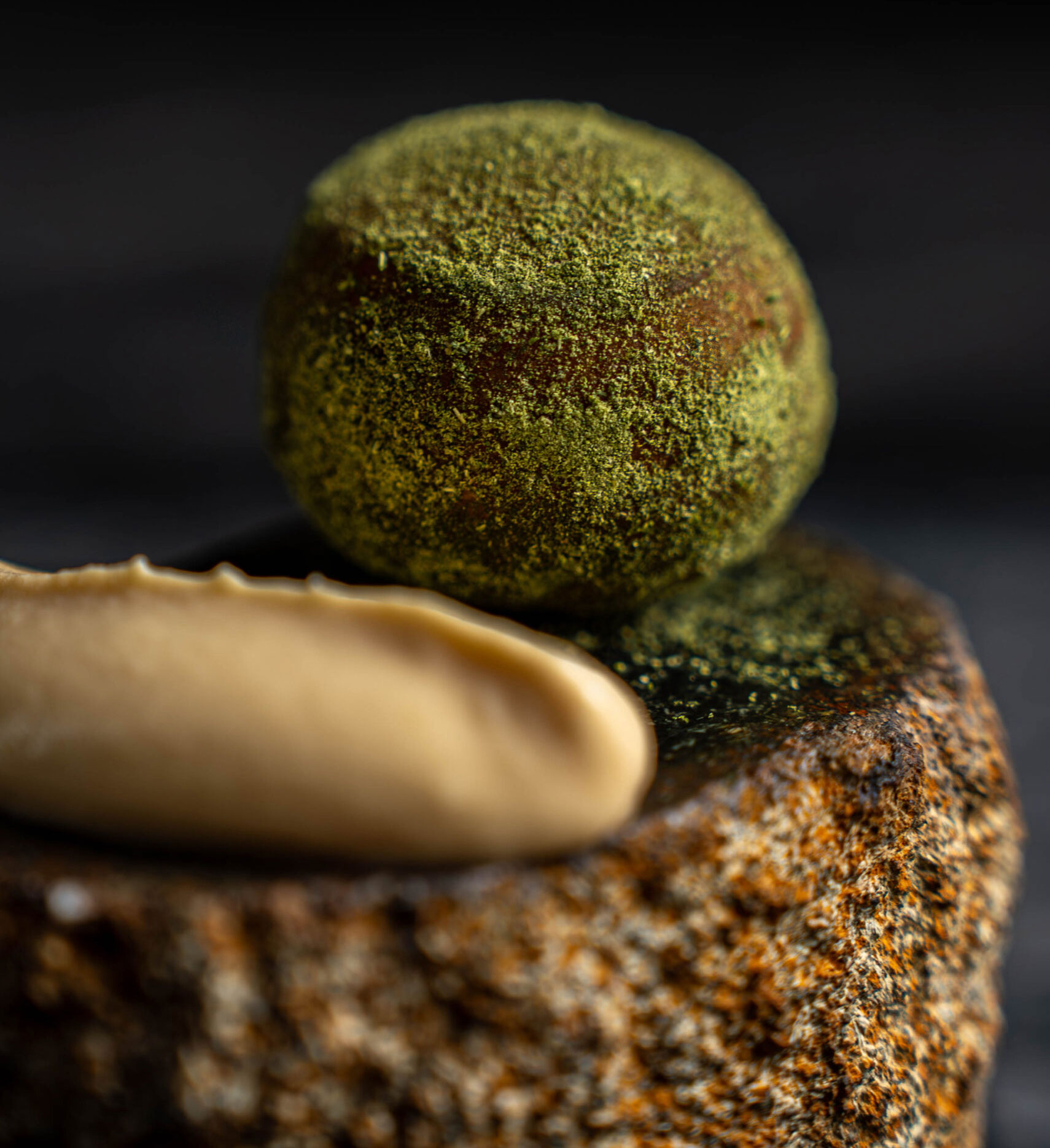
Luqaimat Donut with Beef Fat Caramel: This single bite is a refined reinterpretation of a beloved Emirati classic, served at BRIX Journey, and is a creation of their Head Chef, Carmen Rueda Hernandez. It transforms traditional luqaimat into a contemporary dessert. The donut is paired with a rich beef fat caramel and a sprinkle of salicornia powder, creating a surprising balance between sweetness and depth. Who said you can have a luqaimat only around the UAE National Day!
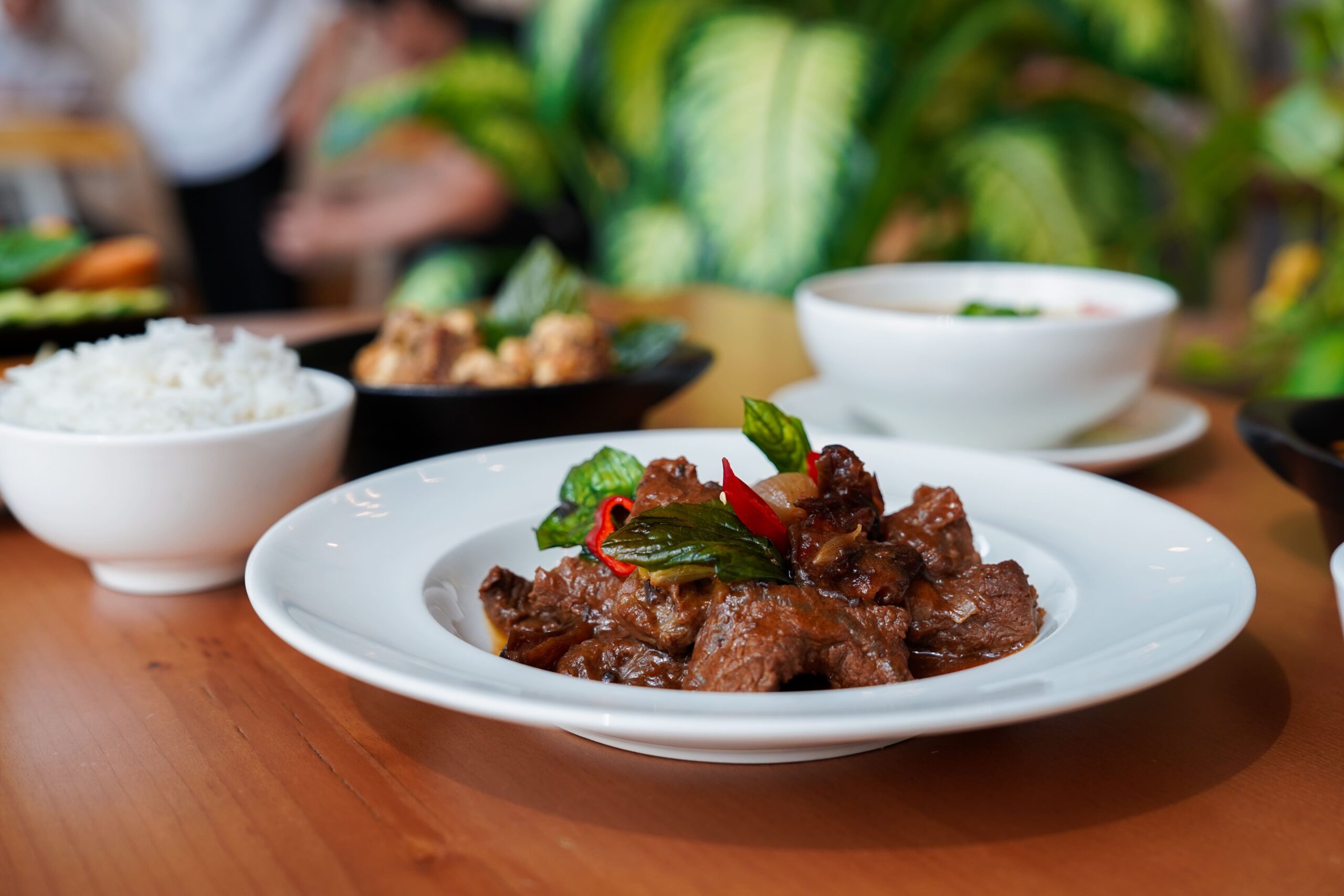
Slow Cooked Beef with Dates: As a homegrown UAE brand, Vietnamese Foodies draws inspiration from its surroundings, incorporating regional elements into its menu while staying true to authentic Vietnamese cooking. Its Slow Cooked Beef with Dates stands apart as a comforting expression of this approach, where traditional techniques meet a sense of place. The dish is elevated with locally sourced dates—a staple in the UAE’s culinary heritage—adding natural sweetness that balances the beef’s savory depth. “It’s slow-cooked to achieve rich depth and tenderness,” says Dat Nguyen, Chef de Partie.
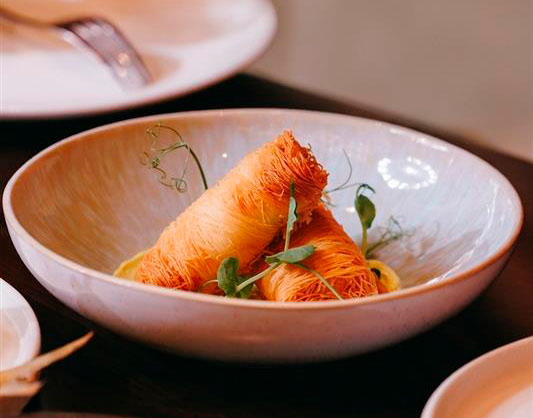
Dahi Kurkuri: Dahi Kurkuri at Kinara by Vikas Khanna, JA Hatta Fort Hotel, is more than a yogurt kebab—it’s a meeting point of cultures. Indian familiarity shaped by Middle Eastern craftsmanship, enriched with local ingredients, and finished with flavors that evoke nourishment and nostalgia. Dahi (curd), a comforting staple across the Indian subcontinent, plays a supporting role here. The defining element is kunafa (kataifi) dough—a distinctly Middle Eastern ingredient that brings texture, craft, and identity to the plate. Traditionally used in regional desserts, kunafa’s fine, hair-thin strands reflect a skilled, generational craft. Wrapped around a lightly seasoned yogurt mixture, they fry into a crisp, golden shell—hence kurkuri, meaning “crunchy.” Beyond structure, the kunafa anchors the dish in Middle Eastern culinary tradition. “The recipe created by Chef Vikas Khanna embraces sustainability by incorporating local dates, celebrating regional produce, and reducing the carbon footprint. A bright turmeric aioli accompanies the kebab, echoing turmeric’s healing warmth—something many associate with home remedies and memory,” notes Ashish Kumar, Executive Sous Chef, JA Hatta Fort Hotel.
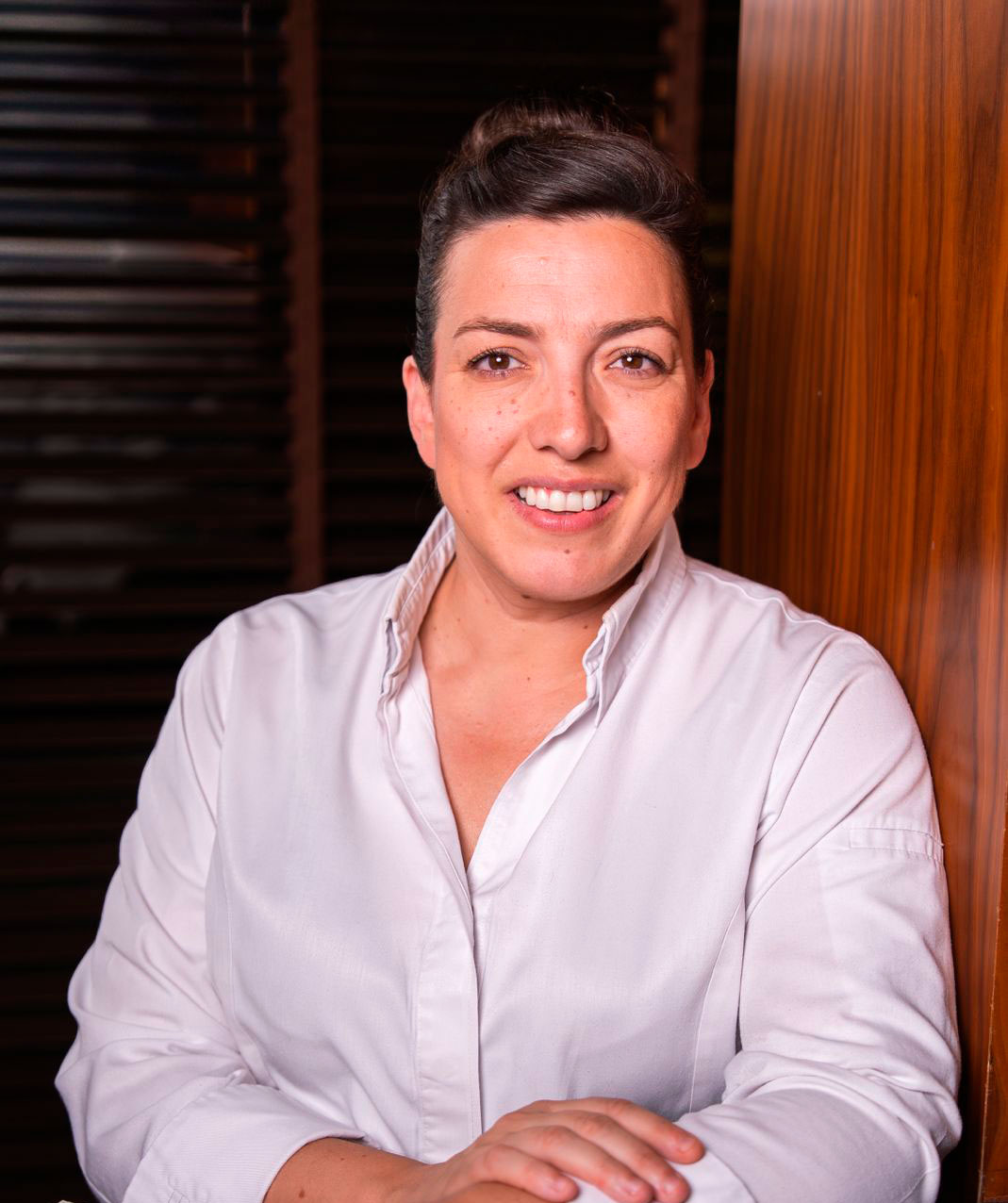
Karak Ice Cream: We know you are drooling, so we’ve made an exception and driven to Abu Dhabi for this one! The ice cream was created as a comforting and nostalgic dessert inspired by one of the UAE’s most beloved everyday rituals, and you can relish it at 3Fils. It combines rich butterscotch with a black tea crumble and warm cardamom notes, reinterpreting the iconic karak tea. “It’s a subtle yet powerful expression of how local flavors can be elevated within a modern culinary context,” noted their Head Pastry Chef, Carmen Rueda Hernandez.