This is a city built on movement, not proximity. You don’t walk out of your building and “see what’s around.” You decide, you drive, you commit. And with over 13,000 restaurants and cafés across the city, choice isn’t the decider, distance is.
As a result, where you live starts to shape where you eat.
Not because it has to, but because, over time, it makes sense.
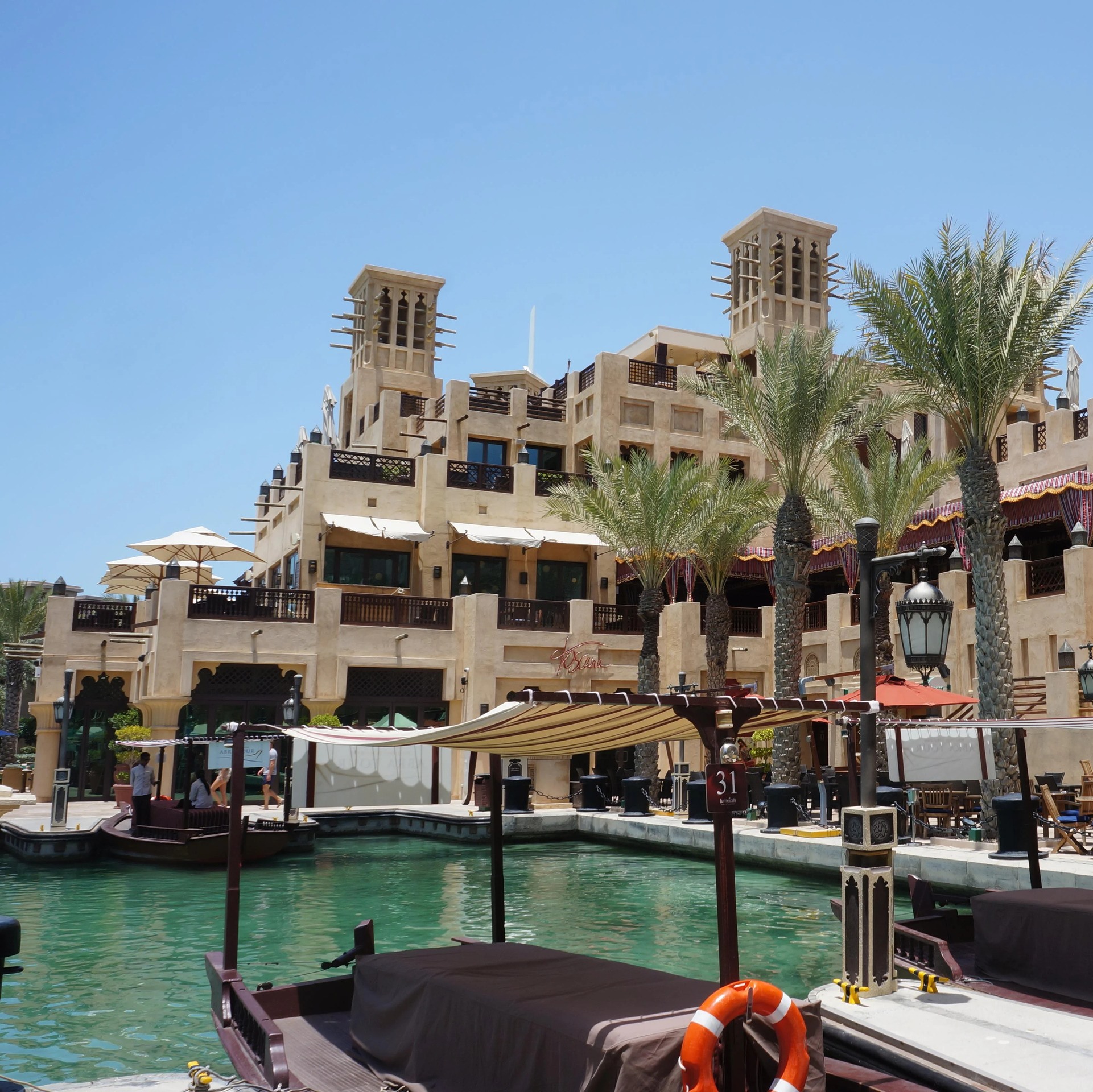
The clusters are real. Dubai’s dining scene isn’t evenly spread, it’s concentrated. Areas like Dubai Marina, Business Bay and Downtown consistently rank among the most active dining zones in the city, not by opinion, but by volume and demand. In Dubai Marina alone, the highest concentration of restaurants sits along Marina Walk and Pier 7, dense, walkable pockets where options are stacked on top of each other.
And that density matters. Because when restaurants cluster, decision-making becomes easier. You’re not choosing a location and a restaurant, you’re choosing a location with multiple options.
Central Dubai, Downtown, DIFC and Business Bay operate differently. They are dense, vertical and layered- office towers, hotels and retail all feeding into the same ecosystem. Within a few minutes, you can move between multiple cuisines, price points and formats. In Business Bay alone, there are hundreds of restaurants within a tight radius, which creates a very specific type of dining behaviour: you go there because you don’t want to decide too far in advance, and because the area does the work for you.
Marina and JBR are where volume meet routine. Dubai Marina and JBR are not just busy, they’re repetitive in the nicest way. High residential density, constant foot traffic, and a steady mix of casual and mid-range restaurants mean one thing: these are areas built for return visits.
The sheer volume of restaurants, from Indian and Asian to casual international concepts, isn’t really about discovery. It’s about availability, affordability and frequency. You don’t go once. You go again, and again.
The Palm works differently. It’s not a cluster in the traditional sense, it’s a collection of destinations. Hotel restaurants, imported concepts, and standalone venues that require intent. You don’t end up there. You go there on purpose. Which changes the dynamic completely.
Dining here is less about proximity, and more about occasion and planning.
And then there’s a quieter layer, neighbourhood dining- which includes areas like Jumeirah and parts of older Dubai. Less dense. Less stacked. But more consistent.
Here, restaurants aren’t competing in clusters, they’re embedded in communities. Cafés, bakeries, and standalone venues become part of routine, not rotation.
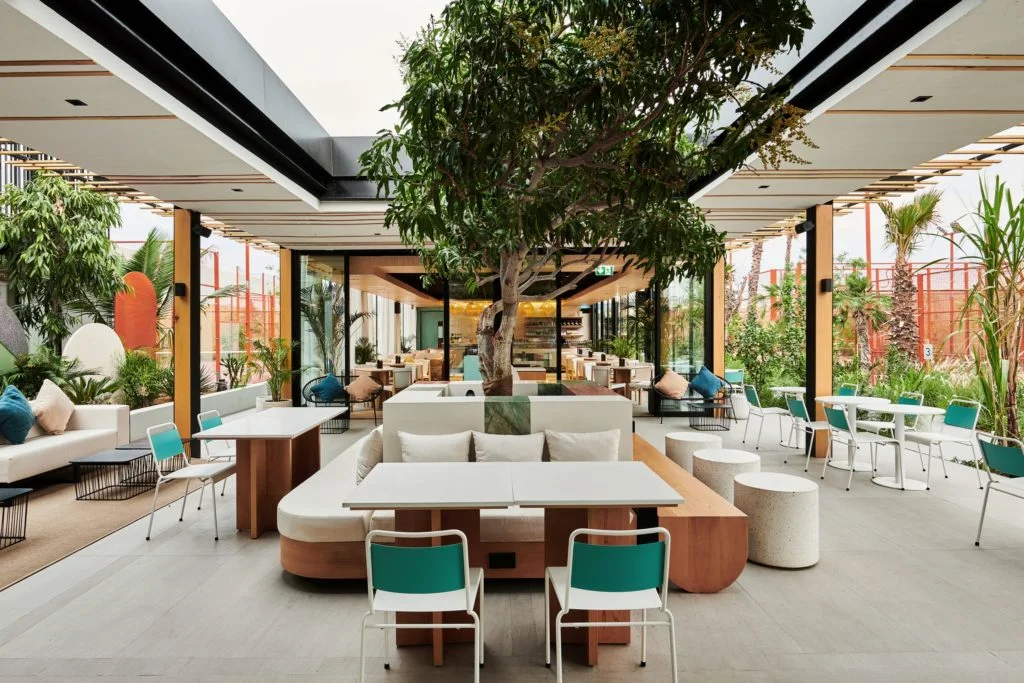
This is where dining becomes habitual, repeat-driven and localised. Not because people won’t travel, but because they don’t always need to.
The real pattern is that Dubai residents eat out frequently, close to three times a week on average. At that frequency, proximity starts to matter. Not for every meal, but enough that weekday dining stays closer to home, spontaneous plans favour convenience, and high-effort dining gets saved for specific nights. It’s a rhythm.
Dubai’s dining scene is often defined by its scale, variety and ambition.
And all of that is true. But underneath it, something more practical is shaping how people actually eat: access, distance, density and, of course, price.
Because in a city with thousands of options, you don’t choose from all of them. You choose from what’s around you and what’s worth the drive.
Dubai gives you everything. But you can’t have it all at once. And over time, without realising it, you start to build a map. Not of the city, but of where you’re willing to go to eat.